Historic $20 million Gift Honors the Legacy of a Visionary Scientist, Mentor, and Advocate for Science
Donor Stories
Last update April 28, 2025
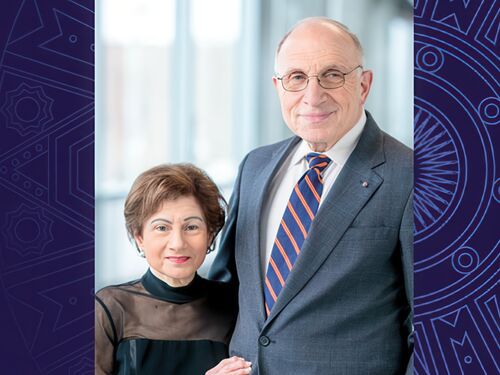
The National Academy of Sciences (NAS) is honored to announce a historic $20 million gift from the family of the late Dr. Philip Needleman (NAS ’87, NAM ’93). This remarkable contribution establishes the Philip and Sima Needleman Family Legacy Fund, ensuring that Dr. Needleman’s enduring passion for science, mentorship, and public service continues to benefit future generations.
Dr. Needleman, who passed away in March 2024, was a pioneering scientist, a committed leader, and a deeply respected member of the scientific community. Over the course of his career, he contributed to more than 25 NAS committees, served on the NAS Council, and brought his tireless energy and generous spirit to every role he undertook. Through this extraordinary gift, his family pays tribute to a life defined by curiosity, compassion, and a profound belief in science as a force for good.
This new fund comes at a critical time and will support two key initiatives. The NAS Frontiers of Science program—fostering collaboration among exceptional early-career scientists across diverse disciplines—and the Rapid Response to Emerging Science, Engineering, and Medicine Challenges Initiative (RRESEM)—designed to quickly address urgent national and global scientific challenges.
Reflecting on this gift and their father, Dr. Needleman’s children shared, “Our father often felt that the specialization of science led to silos, where researchers miss out on the cross-fertilization of ideas. The Frontiers of Science program nurtures interdisciplinary collaboration, something our father deeply valued. The Frontiers of Science program has nurtured scientists who went on to become Nobel laureates, including the 2024 Nobel Prize winner. Our father loved investing in the next generation, and he believed in the power of curiosity, collaboration, and public service, and the Frontiers of Science embodies all those things.”
“The Rapid Response program was inspired by my father’s passion for using science to address real-world problems quickly and effectively. He fiercely believed that science was a force for good and it was not just about knowing but about doing—about stepping in when help was needed.”
Dr. Needleman is described as a man who lived with curiosity, generosity, and zest for life. He was a brilliant scientist, a fearless mentor, and an incredibly kind person. He treated everyone with warmth and dignity, no matter what their standing in life. He had a gift for making people feel seen and valued, and he passed these traits onto his children. “He led with passion, compassion, and integrity—encouraging others and creating space for them to shine. He taught us to be bold, be generous, and let our knowledge serve something larger than ourselves.”
“He challenged himself in all aspects of life and loved challenging others. He also valued fun, adventure, and taking risks. He believed that science—and clear communication of science—was essential for policymaking. He didn’t just want to discover things—he wanted to apply discoveries to help people.”
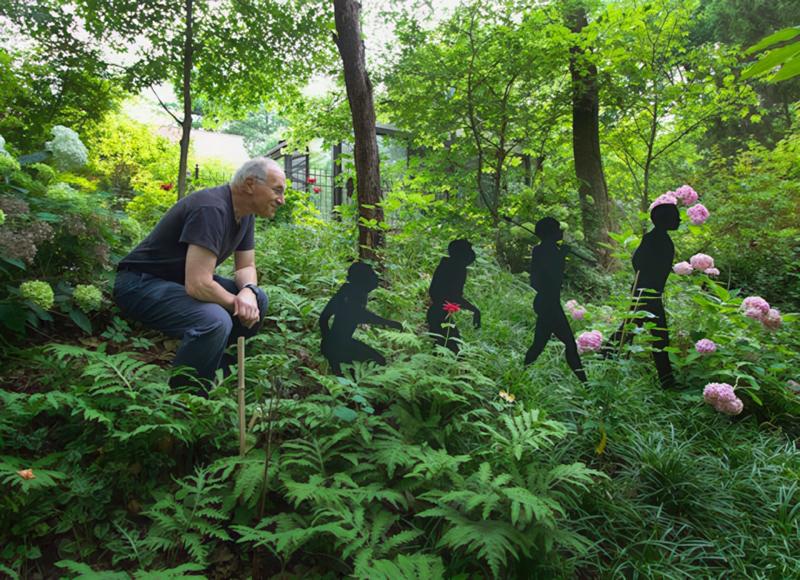
Even after stepping back from his formal roles, Dr. Needleman remained deeply engaged in scientific leadership. His later efforts included serving as a Founder of the National Institute for Biotechnology in the Negev at Ben Gurion University in Israel, helping initiate the SINC project, working on reducing nitrogen for a healthier planet at Danforth Plant Science Center, and helping launch three multidisciplinary innovation centers at Washington University.
Dr. Needleman’s children will always remember their father as a giant among men. “It's common for little boys to think their fathers are superheroes—giants, immensely powerful, all-knowing, and capable of anything. By age 10, they're usually on their way to seeing their dads more realistically. But with my father, I never really outgrew the sense that he was Superman.”
Through this extraordinary gift, Dr. Needleman’s legacy will continue to shape science—and scientists—for generations to come.