GRP Fellows Celebrate a Decade of Impact at 2025 Fellowships Forum
Program News
By Courtney DeVane, Leticia Garcilazo Green, and Maeesha Saeed
Last update October 2, 2025
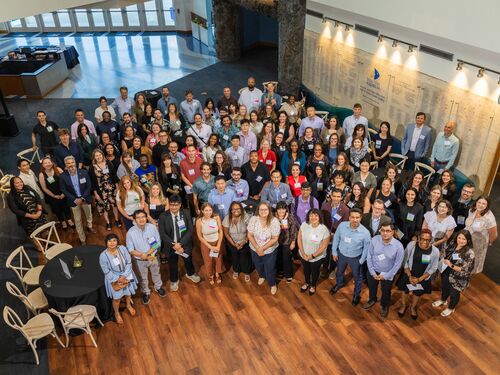
In late August, the Gulf Research Program (GRP) of the National Academies of Sciences, Engineering, and Medicine hosted the 2025 GRP Fellowships Forum at the Texas State Aquarium in Corpus Christi, Texas. The event brought together alumni and current participants of the Early-Career Research Fellowship and the Science Policy Fellowship to celebrate 10 years of impact, innovation, and collaboration.
“The Fellowships Forum is a powerful reminder of the lasting impact these programs have had on individuals, institutions, and communities over the past decade,” said Karena Mothershed, director of GRP’s Board on Gulf Education and Engagement. “I’m continually amazed by how far their reach now extends, touching lives, shaping careers, and driving meaningful change across the Gulf region and beyond. But the true heart of these programs are the fellows themselves. They are passionate, driven, and innovative individuals who are diligently working to ensure a brighter future for the Gulf and all those who call the region home.”
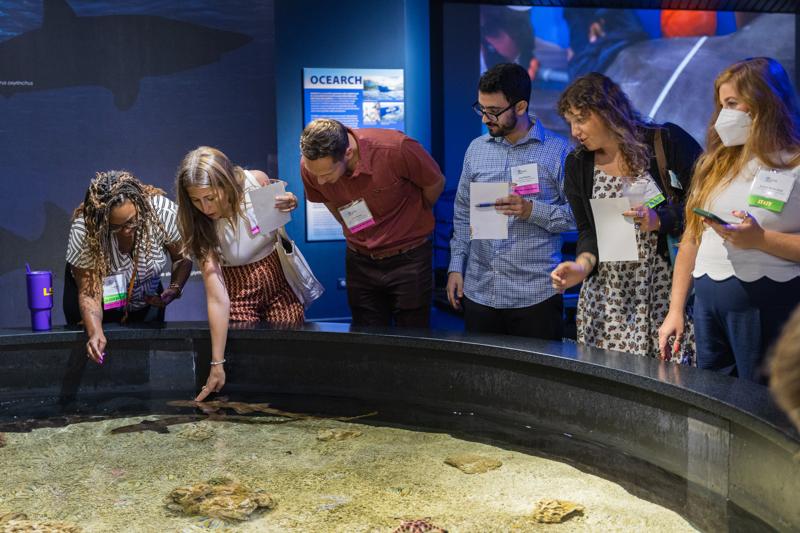
Against the backdrop of the aquarium’s vibrant exhibits, fellows reconnected, shared their research, and explored new opportunities to strengthen resilience across the Gulf region.
A Day of Insight and Exchange
The full-day forum on August 28 began by featuring fellowship highlights from across the years and spotlighting upcoming GRP initiatives. The event then moved into a panel featuring some of the program’s earliest fellows reflecting on the fellowships’ influence on their careers, collaborations, and enduring connections to the Gulf. These stories illustrated how fellows have advanced Gulf-focused research, mentored and supported students, and translated their expertise into community impact, from engaging K–12 classrooms to informing local decision-making. They also highlighted how the fellowships have retained talent in the region, with many alumni continuing their careers in Gulf research, policy, and leadership roles that ensure long-term benefits for the communities they serve.
“The GRP staff and other fellows I have met as a result of my fellowship have really made me want to give back to the Gulf region,” said Kwame Owusu Daaku, a 2019 Early-Career Research Fellow. “Whether that be through establishing a Gulf Scholars Program at my university, to serving as a reviewer of fellowship applications, to serving communities in the Gulf; I see the Gulf as my home that I want to protect and support for years to come.”
Philip Lee, a 2017 Science Policy Fellow, reflected on how the connections he made through his fellowship shaped his current work. “Through my GRP opportunities as a Science Policy Fellow and now as a mentor, I have had the opportunity to meet individuals across all five Gulf states. Without the GRP it would have been impossible to make all of the connections and collaborations I currently have. I have had the ability to work with tribes, farmers, universities, and community members on a variety of Gulf problems. As a result, I have gained a better understanding of the unique challenges [facing] each Gulf State and I continue to help a variety of groups continue to work towards solutions.”
Fellows at the Forefront
One of the day’s most dynamic sessions was the Pecha Kucha showcase, where fellows presented their work in rapid-fire storytelling format. Pecha Kucha, meaning chit-chat in Japanese, is a storytelling format in which a presenter shows 20 slides for 20 seconds per slide. Organized into five breakout panels, presentations highlighted the diversity and depth of GRP fellows’ contributions:
Place-based Education: Story, Science, and Stewardship – Fellows working at the intersection of education and environmental challenges drew on place, identity, and creative methods to foster stewardship and community insights. Presentations featured innovative approaches to climate education, methods for integrating indigenous pedagogies, and near-peer mentorship models.
Coastal Systems in Motion – These projects explored the dynamic interactions between coastal ecosystems, wildlife, and human needs—from food and health to energy, restoration, and risk reduction. Fellows spotlighted work on microbial communities in mangrove forests, the ecosystem services of living shorelines, and the use of AI to improve disaster response.
Community-Centered Science and Solutions – Fellows showcased projects co-created with communities to address pressing health, environmental, and climate challenges. By centering community priorities and integrating local knowledge, these efforts highlighted collaborations that advance safety as well as environmental and long-term resilience.
Innovation by Design: Tools, Tech, and Infrastructure for a Changing Coast – These applied research projects demonstrated how smart systems, decision tools, and monitoring technologies can transform hazard mitigation, offshore safety, and coastal infrastructure planning. Highlights included bio-inspired offshore safety systems, resilience scorecards, and field-ready water quality monitoring.
Navigating Change: Climate, Hazards, and Adaptation – Fellows shared cutting-edge research on the tracking and modeling of climate and hazard dynamics, from rising seas to shifting biogeochemical cycles. Projects ranged from tracing water and carbon in coastal deltas to improving glacier projections for sea-level rise and developing data-driven conservation strategies.
The showcase underscored how the fellows’ work bridges science and policy, generating solutions that advance resilience across the Gulf and beyond.
Collaboration and Connection
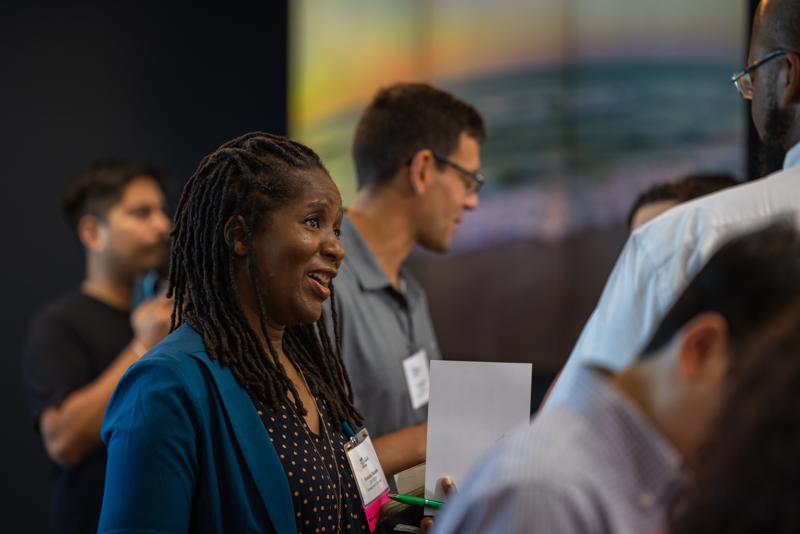
Following the Pecha Kucha showcase, fellows engaged in a peer exchange for ideas, advice, and connection, facilitated by GRP staff. This interactive session invited candid conversations about goals, challenges, and opportunities for collaboration. A shared working document will be available to fellows to extend these exchanges beyond the event.
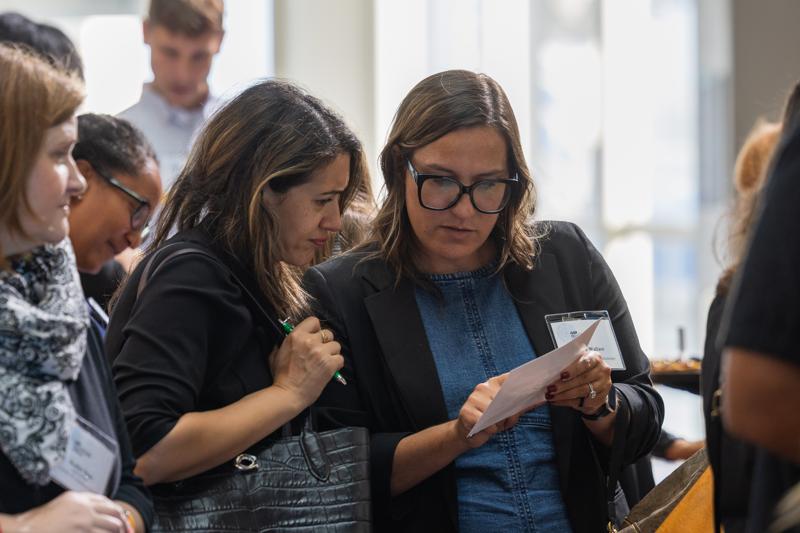
For Maria Wallace, a 2023 Early-Career Research Fellow, the Fellowships Forum highlighted one of the greatest strengths of the GRP’s fellowships—the network of connections they cultivate. “The GRP Fellowships are more than a funding program,” Wallace said, “it has grown into a powerful network of passionate do-ers and thinkers committed to serving the Gulf Coast region. The forum served as an invaluable space to plant seeds for new possibilities with fellows across the 10-year spectrum of the program’s existence.”
When asked what she was most looking forward to from the fellowship community, Wallace’s answer was simple: “Staying in touch. Soon after the Fellowships Forum concluded a fellow reached out to all the fellows in my area to connect us for another local meet up. I think we are always looking for ways to remain connected to fellows once we meet them---these connections are too great to ignore.”
Looking Forward
The 2025 GRP Fellowships Forum was both a celebration of the past and a springboard for the future. For ten years, GRP’s Early-Career Research Fellowship and Science Policy Fellowship programs have supported rising leaders as they take risks, build networks, and strengthen Gulf communities and ecosystems. The 2025 Fellowships Forum showcased the impact of these programs while also laying the groundwork for future collaboration and innovation.